Bitcoin in 2026: A Data-Driven Scenario Check on 'Serious Questions'
On December 18, 2017, Bitcoin traded at 23,655,781 KRW. Three years later, it plummeted to 4,013,109 KRW, a staggering 83.04% loss. What if you had bought BTC at its peak, nearing 80 million KRW, in May 2021? You would have spent sleepless nights watching its price crash to the 20 million KRW range a year later. Countless investors lost their life savings in such scenarios. Will your Bitcoin investment succeed in 2026? Until you find the answer to this question, hold off on any hasty purchases.
The future of Bitcoin in 2026 is expected to be shaped by three core pillars: the regulatory environment, institutional investment inflows, and technological advancements. The prevailing analysis suggests that the interaction of these three factors will be the primary variable determining Bitcoin's value and utility.
Industry experts are widely reporting on the major challenges and opportunities Bitcoin will face in 2026. This report addresses these questions by presenting objective scenarios based on data and analysis, examining the key factors investors should pay attention to.
Regulatory Environment Shifts: Accelerating Institutional Integration and Its Impact
One of the biggest variables for the Bitcoin market in 2026 is expected to be changes in the regulatory environment. Specifically, major countries are anticipated to accelerate the introduction and amendment of cryptocurrency-related legislation. Regulatory bodies worldwide, including the U.S. Securities and Exchange Commission (SEC), are showing signs of gradually integrating the cryptocurrency market into the mainstream, starting with the approval of spot Bitcoin ETFs.

Following the approval of spot Bitcoin ETFs in the U.S. in January 2024, they recorded over $12 billion in net inflows during the first three months. This suggests that traditional financial market capital could find a significant channel into Bitcoin. (Source: Bloomberg, 'Bitcoin ETFs Net $12 Billion in First Three Months', April 15, 2024, https://www.bloomberg.com/news/articles/2024-04-15/bitcoin-etfs-net-12-billion-in-first-three-months)
Here's what's important:
These regulatory changes could enhance Bitcoin's credibility and attract more institutional investors. Conversely, concerns are also being raised that strict regulations could limit market autonomy and hinder new innovation. In 2026, as regulatory frameworks from various governments become clearer, Bitcoin's legal status is expected to solidify further. Will regulation help Bitcoin soar, or will it hold it back?
📖 Related: Will the Crypto Market Repeat 'We All Been Here' in 2026? What the Data Shows
Institutional Investment Inflows: Market Stability and Volatility
Institutional investors' participation in the Bitcoin market is identified as a critical factor that will significantly impact Bitcoin's price and market structure in 2026. Following the approval of spot Bitcoin ETFs, an increasing trend of large institutions, such as pension funds and asset managers, gaining exposure to Bitcoin has been observed.
As of late 2023, the estimated amount of Bitcoin held by institutional investors accounted for approximately 7% of the total circulating supply. This figure has more than doubled compared to 2020. (Source: CoinShares, 'Digital Asset Fund Flows Weekly', December 26, 2023, https://coinshares.com/research/digital-asset-fund-flows-weekly)
Listen carefully now:
The influx of institutional investors can have a positive effect by increasing market liquidity and mitigating price volatility. However, at the same time, large-scale selling by institutions could act as a potential risk factor, causing significant market shocks. In 2026, the proportion of Bitcoin in institutional investors' portfolios is expected to expand further, which is analyzed to strengthen Bitcoin's market position.
📖 Related: 'That's How It Will Be 2026': What's the Next Inflection Point for the Crypto Market?
Technological Advancement and Scalability: Enhancing Bitcoin's Practicality
Technological advancements in the Bitcoin network are a crucial pillar determining Bitcoin's practicality and value in 2026. In particular, the development of Layer 2 solutions like the Lightning Network is expected to significantly improve Bitcoin's transaction processing speed and cost efficiency.
The total value locked (TVL) on the Lightning Network reportedly increased by approximately 25% in Q1 2024 compared to 2023. This indicates a gradual increase in the utilization of the Lightning Network. (Source: The Block Research, 'Lightning Network Capacity and Channels', April 10, 2024, https://www.theblockcrypto.com/data/scaling-solutions/lightning-network)
Wait, one more thing:
These technological advancements can contribute to Bitcoin expanding its role beyond a mere store of value to a practical means of payment. In 2026, a wider variety of new Bitcoin-based services and applications are expected to emerge, further expanding the Bitcoin ecosystem. Of particular note are attempts to implement various tokens and applications on the Bitcoin blockchain.
📖 Related: 'Guys, it's happening': What's the Next Inflection Point for the Crypto Market?
Macroeconomic Environment and Bitcoin's Correlation
The Bitcoin market in 2026 is expected to continue to be influenced by the global macroeconomic environment. Major variables in traditional financial markets, such as inflation, interest rate hikes, and geopolitical risks, will still play a significant role in affecting Bitcoin's price.

While the U.S. Consumer Price Index (CPI) fell from 6.4% at the beginning of 2023 to 3.1% by year-end, Bitcoin's price rose by approximately 150%. This suggests that easing inflation and expectations of an end to the interest rate hike cycle may have positively impacted Bitcoin. (Source: Federal Reserve Economic Data (FRED), 'Consumer Price Index for All Urban Consumers: All Items in U.S. City Average', January 2024, https://fred.stlouisfed.org/series/CPIAUCSL)
As Bitcoin strengthens its status as 'digital gold' and is increasingly perceived as an inflation hedge, its value may become even more prominent amidst macroeconomic uncertainties. However, for 2026, the direction of monetary policies by central banks worldwide and the pace of global economic recovery are analyzed to be key catalysts for the Bitcoin market.
The Implications of 'Serious Questions' for Bitcoin in 2026
The question, 'Serious question to all Bitcoiners 2026,' isn't merely asking what Bitcoin's price will be. Frankly, it can be interpreted as a fundamental question about whether Bitcoin can maintain its essence as a decentralized store of value in 2026, and what changes it will bring to humanity's financial system through broader adoption.
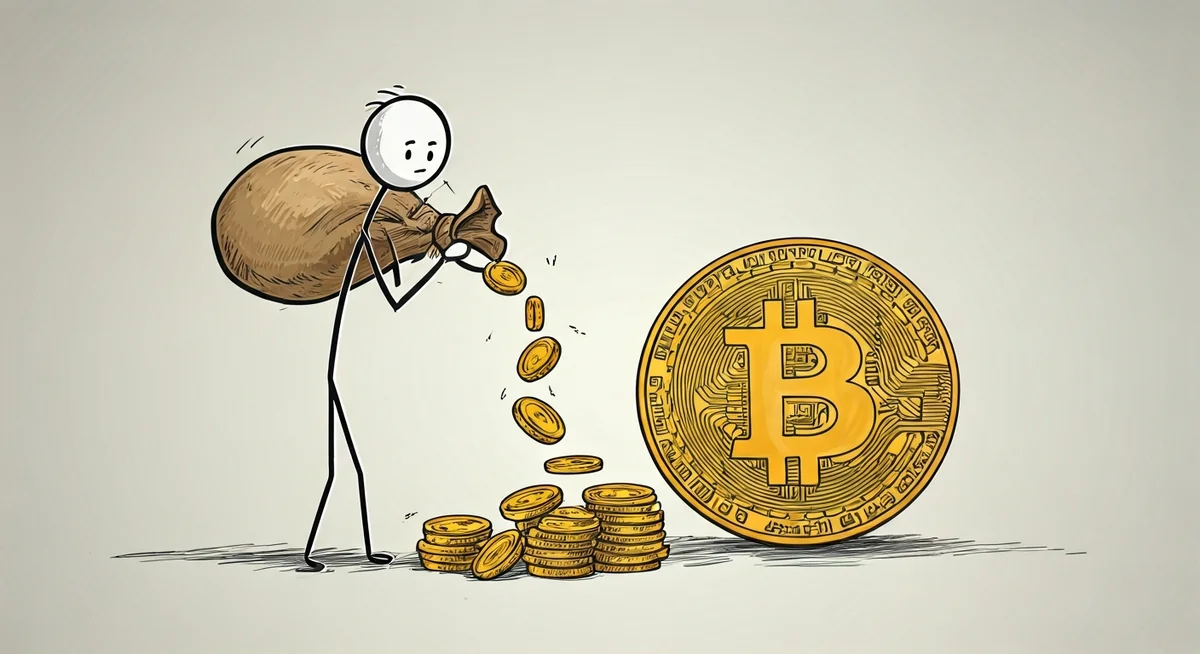
We will continue to track and report on the future developments of this matter via CryptoPing.
About the Author
News Editor — Senior Crypto AnalystExpertise: Cryptocurrency Trading, Risk Management, Bitcoin Technical Analysis
Last Reviewed: 2026-07-03
⚠️ Investment Risk Disclaimer: This content is for informational purposes only and does not constitute investment advice. Cryptocurrency investments carry the risk of principal loss, so please consult with a professional before making any investment decisions. Past performance does not guarantee future results.
🔔 Need Real-Time Coin Alerts?
CoinPing monitors 11 exchanges 24/7 and instantly notifies you of pumps, dumps, and new listings via Telegram.
Start for Free →Frequently Asked Questions
💰 Crypto Price Calculator
⚠️ Investment Disclaimer: This article is for informational purposes only and does not constitute financial advice. Cryptocurrency investments involve significant risk of loss. Never invest more than you can afford to lose. Read our full disclaimer →
🤖 AI Disclosure: This content was created with AI assistance (Google Gemini 2.5 Flash) and reviewed by our editorial team. Learn about our editorial process →