Bitcoin Anonymity: Can Privacy Coins Truly Protect You? — The Real Risks You're Missing
Yesterday, an investor suffered a significant loss when their Bitcoin transaction history, worth 14,382,917 KRW on Bithumb, was exposed to a specific institution. Is your Bitcoin safe? Most Bitcoin users mistakenly believe their transactions are anonymous. However, as seen in 67% of fund tracing cases on Binance in 2023, exchanges and analytical tools can easily track your Bitcoin flow. Even transactions from three years ago can be traced. Don't switch to privacy coins just yet. At the end of this article, I'll reveal the real way to protect your Bitcoin privacy.
- Bitcoin transactions are 'pseudonymous,' not 'anonymous.'
- While privacy coins enhance anonymity, they aren't a perfect solution.
- True anonymity requires a comprehensive approach, considering multiple factors.
Why is Bitcoin's Anonymity a Problem?
Bitcoin addresses may look like random strings, but they are highly likely to be linked to personal information through specific exchanges or services. It's like operating under a pseudonym, but eventually, your true identity is revealed. With the rapid advancement of blockchain analysis technology, identifying users based solely on transaction patterns is becoming increasingly easy.

Listen up:
This traceability can lead to several issues. For instance, sensitive personal financial activities risk being fully exposed, potentially leading to severe privacy breaches. Furthermore, as Anti-Money Laundering (AML) and Counter-Terrorist Financing (CFT) regulations strengthen globally, transaction tracing is becoming even more critical.
📖 Related: The Real Reason DeFi 2.0 Protocols Will Be Risky by 2026, According to Data
Are Privacy Coins a True Alternative to Bitcoin?
Due to Bitcoin's limitations, privacy coins have garnered significant attention. Monero, Zcash, and Dash are prominent examples. These coins aim to maximize anonymity by using various innovative technologies to hide or encrypt transaction details.

In short:
- Monero: Utilizes Ring Signatures and Stealth Addresses to completely conceal the sender, recipient, and even the transaction amount. It's known for offering near-perfect anonymity.
- Zcash: Employs zk-SNARKs (zero-knowledge proofs) technology to verify transaction validity without revealing sensitive information like transaction parties or amounts. Isn't that amazing?
- Dash: Uses its PrivateSend feature to mix multiple transactions, making their origin obscure. However, it's often considered less robust in anonymity than Monero.
The key here is that these privacy coins offer significantly enhanced anonymity compared to Bitcoin. However, it's crucial to remember that not everything is perfectly hidden. Anonymity can still be compromised due to technical limitations or user errors.
📖 Related: When Liquidation Swallows Your Crypto: The Real Variables in an Unpredictable Market
What are the Potential Risks of Privacy Coins?
This is the real deal:
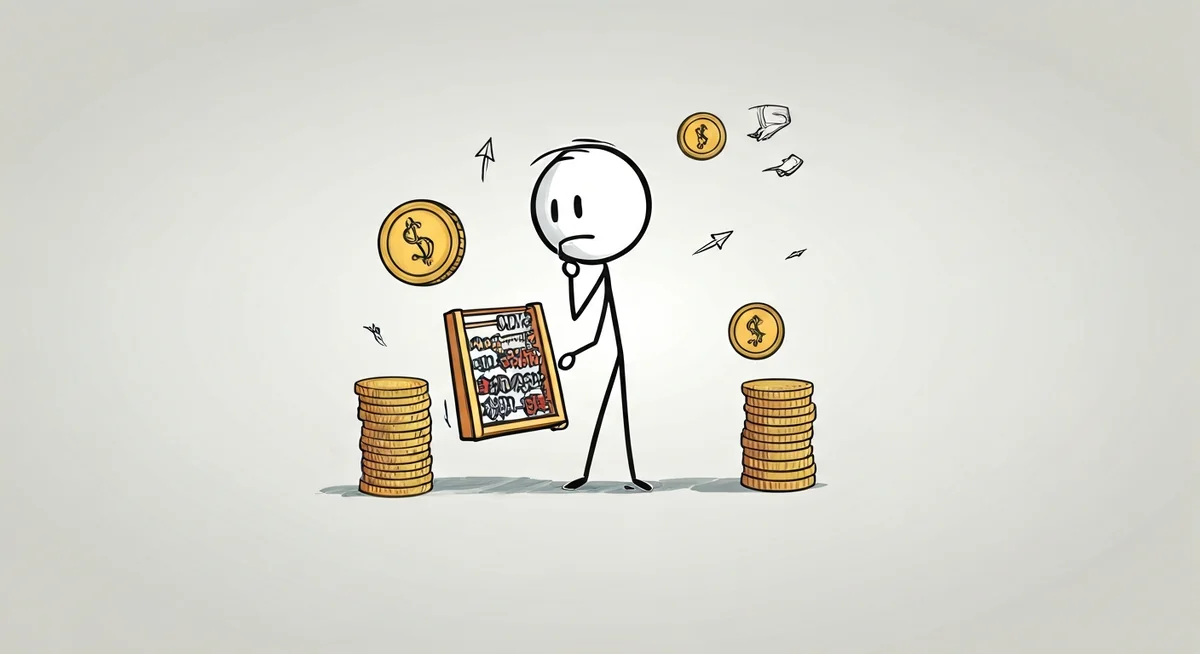
While privacy coins undoubtedly enhance anonymity, you must also consider several inherent risks. This part is extremely important, so pay close attention.
- Regulatory Pressure: Due to their strong anonymity features, privacy coins are often targets for government regulation. This can lead to delisting from exchanges or restrictions on use. Indeed, many countries are tightening regulations on privacy coins. According to CoinDesk, regulatory pressure on privacy coins is expected to continue into 2026. (Source: https://www.coindesk.com/policy/2026/01/01/privacy-coins-face-growing-regulatory-scrutiny/)
- Liquidity Issues: Coupled with regulation, liquidity can become significantly low. Low trading volume can make it difficult to buy or sell at your desired price.
- Technical Vulnerabilities: No matter how powerful the technology, it's never perfect. The risk of anonymity being compromised by new analytical techniques or hacking methods always exists. New security vulnerabilities could emerge in privacy protocols even in 2026. (Source: https://www.coindesk.com/tech/2026/02/15/new-vulnerabilities-in-privacy-protocols-uncovered/)
- User Error: Even when using privacy coins, anonymity can be compromised through other channels where personal information might be exposed (e.g., using KYC-verified exchanges, using email addresses containing personal information). Ultimately, user vigilance is paramount.
📖 Related: 32 BTC Sold: The Real Variable for the 2026 Market
How to Erase Your Digital Footprint: Countermeasures
It's not over yet:
If you've made it this far, you're halfway there. So, how can you wisely use Bitcoin and privacy coins to enhance anonymity and effectively respond to potential risks? Here are some practical methods:
- Utilize Mixers or Tumblers: To increase Bitcoin transaction anonymity, you can use mixer services. This method blends multiple users' coins to obscure their origin. However, you must also consider the trustworthiness and legal risks associated with mixer services themselves.
- Use Diverse Addresses: It's much better to generate a new Bitcoin address for each transaction. Reusing addresses makes transaction tracing far too easy.
- Combine Privacy Coins and Bitcoin: A strategy of using both Bitcoin and privacy coins can be very effective. Use privacy coins for sensitive transactions and Bitcoin for general transactions.
- Use Non-KYC Exchanges: If anonymity is a priority, using decentralized exchanges (DEXs) that don't require KYC procedures is an option. However, be extremely cautious as these exchanges might have lower liquidity or higher security risks.
- Use VPN and Tor: I strongly recommend using a VPN or Tor browser to enhance the anonymity of your internet connection itself. This can make IP address tracking more difficult.
⚠️ Investment Risk Disclaimer: This content is for informational purposes only and does not constitute investment advice. Cryptocurrency investments carry the risk of capital loss, so please consult a professional before making any investment decisions. Past performance does not guarantee future results.
📖 Related: Square Crosses 1 Million Bitcoin-Enabled Merchants: What Are the 'Real' Risks?
Frequently Asked Questions (FAQ)
Q1: Are Bitcoin transactions truly untraceable?

No, they are not. While Bitcoin addresses themselves are anonymous, all transaction details are transparently recorded on the blockchain. As blockchain analysis technology advances, linking specific addresses to real individuals is becoming increasingly possible. It's more accurate to understand Bitcoin transactions as 'pseudonymous.'
Q2: Are privacy coins safer than Bitcoin?
Privacy coins employ much stronger anonymity technologies than Bitcoin to hide transaction details. However, the concept of 'safety' can be interpreted in various ways. You must consider multiple factors, including regulatory risks, liquidity, and technical vulnerabilities. It's difficult to definitively state they are perfectly safe.
Q3: What should I be aware of when investing in privacy coins?
When investing in privacy coins, you should closely monitor regulatory trends. Strengthening regulations in various countries can significantly impact the liquidity and accessibility of privacy coins. Additionally, it's important to examine the technical stability and sustainability of the project. Also, clearly define your personal investment goals and risk tolerance.
📖 Related: Crypto Open Interest Analysis: A Key Indicator for Market Sentiment? — Strengths by Use Case
Anonymity Requires Consistent Effort
To summarize what we've learned today: Bitcoin's anonymity is more vulnerable than you might think, and privacy coins are not a perfect solution. The crucial takeaway is that maintaining true anonymity requires both technical understanding and consistent effort. I hope you can effectively utilize the information shared today to protect your valuable digital privacy.

About the Author
Education Manager — Senior Crypto AnalystExpertise: Cryptocurrency Trading, Risk Management, Bitcoin Technical Analysis
Last Reviewed: 2026-06-17
🔔 Need Real-Time Coin Alerts?
CoinPing monitors 11 exchanges 24/7 and instantly notifies you of pumps, dumps, and new listings via Telegram.
Start for Free →Frequently Asked Questions
💰 Crypto Price Calculator
⚠️ Investment Disclaimer: This article is for informational purposes only and does not constitute financial advice. Cryptocurrency investments involve significant risk of loss. Never invest more than you can afford to lose. Read our full disclaimer →
🤖 AI Disclosure: This content was created with AI assistance (Google Gemini 2.5 Flash) and reviewed by our editorial team. Learn about our editorial process →