Coinbase to Become "Uselessly Ratchet" by 2026: A Sign of Losing Market Dominance?
What if the safest, most trusted crypto exchange in America is quietly becoming a ticking time bomb? While Coinbase once seemed invincible, a perfect storm of regulatory attacks, decentralized rivals, and fierce competition is threatening its throne. This isn't just market noise; it's a fundamental challenge to Coinbase's entire business model, with a 2026 deadline looming.
Forget the hype—we're breaking down the three critical red flags that signal Coinbase's dominance is in serious jeopardy, and what it means for your crypto strategy.
From King of Crypto to a Kingdom Under Siege
For over a decade, Coinbase has been the default gateway to crypto for millions. Its user-friendly app and 2021 NASDAQ debut cemented its status as the industry's blue-chip leader, bridging the gap between digital assets and mainstream finance. For many, Coinbase is crypto.

But the ground is shifting beneath its feet. The 2022 collapse of FTX triggered a global regulatory crackdown, placing Coinbase directly in the crosshairs of the U.S. Securities and Exchange Commission (SEC). At the same time, a new generation of decentralized platforms is offering users a way out of the walled gardens of centralized exchanges, promising lower fees and greater control.
These aren't distant threats; they are active challenges eroding the foundation of Coinbase's empire. But while the external pressures are immense, the first crack is coming from regulators.
📖 Related: 2026: What Security and Regulatory Risks Should You Check When Choosing a No-KYC Crypto Exchange?
Red Flag #1: The Regulatory Noose Is Tightening
The single greatest threat to Coinbase is regulatory strangulation. The SEC's ongoing lawsuit against the exchange isn't just a legal headache; it's an existential crisis. The SEC alleges that Coinbase is operating as an unregistered securities exchange, a claim that could dismantle its core business.
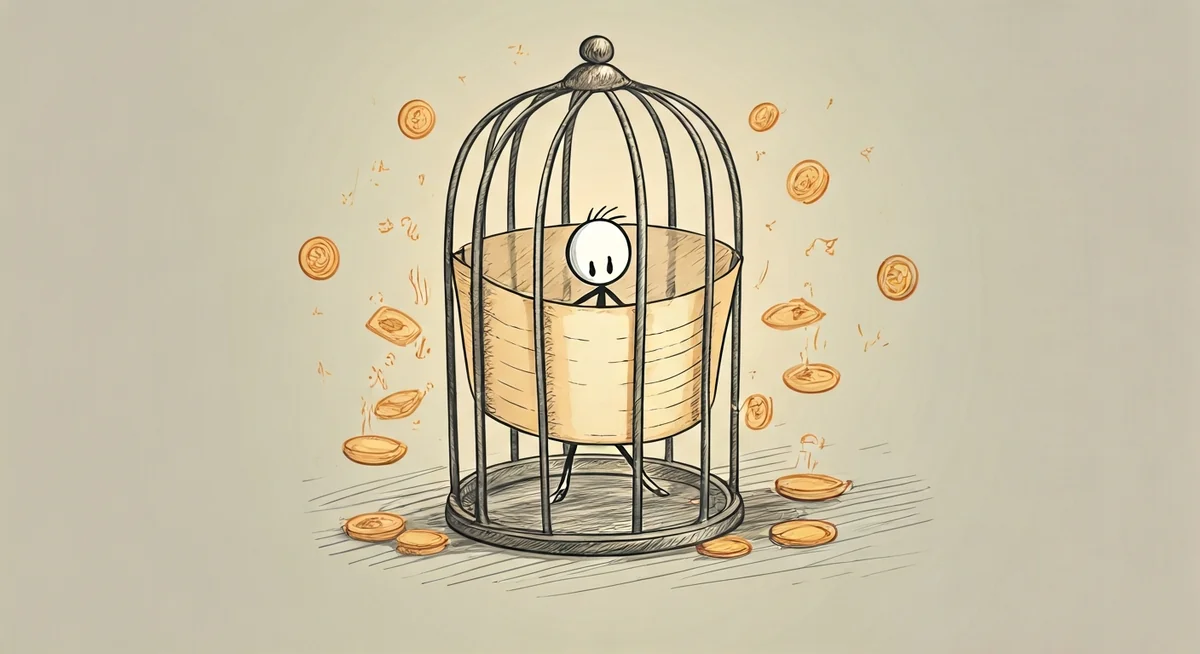
Why this is a critical threat:
- Mass Delistings: If the SEC succeeds in classifying popular altcoins like Solana (SOL), Cardano (ADA), or Polygon (MATIC) as securities, Coinbase would be forced to delist them. This would instantly wipe out a significant portion of its trading fee revenue and cripple its value proposition as a one-stop-shop for crypto assets.
- Stifled Innovation: The legal uncertainty makes it nearly impossible for Coinbase to launch new products or list promising new tokens in the U.S. market. This innovation paralysis gives faster, less-regulated offshore exchanges and decentralized platforms a massive competitive advantage.
- A War of Attrition: This legal battle is expensive and distracting. While Coinbase has the resources to fight, a prolonged war with its home regulator drains capital and focus that could be spent on growth and development.
The regulatory assault is designed to force crypto onto Wall Street's terms, potentially reducing Coinbase to a highly-regulated, slow-moving version of its former self.
But even if Coinbase navigates the regulatory maze, it faces a more fundamental rebellion from within the crypto ecosystem itself.
📖 Related: Could a $4 Million Loss on MEXC Happen Again in 2026?
Red Flag #2: The DeFi Revolution Is Making Centralization Obsolete
Decentralized Finance (DeFi) is no longer a niche experiment; it's a direct competitor to Coinbase's entire reason for being. Platforms like Uniswap, Jupiter, and dYdX allow users to trade, lend, and borrow crypto directly from their own self-custody wallets—no middleman required.
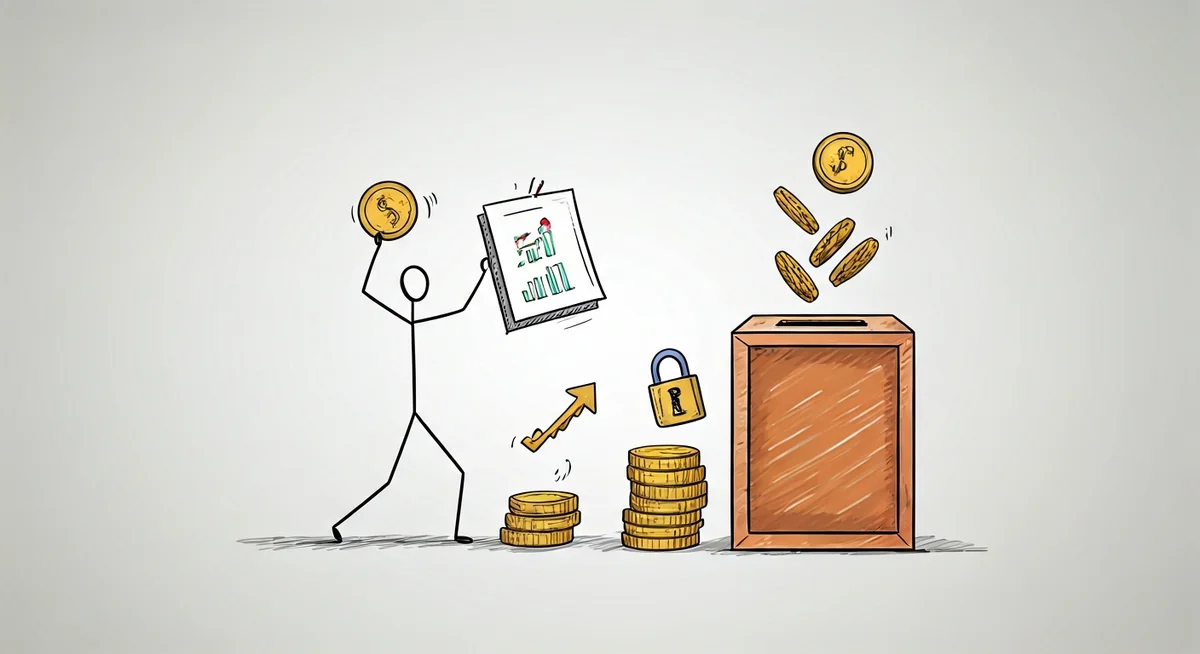
This shift from a centralized to a decentralized model attacks Coinbase on three fronts:
| Threat Vector | Centralized Exchange (Coinbase) | Decentralized Exchange (DEX) |
|---|---|---|
| Custody | Holds your assets for you | You control your own keys and assets |
| Fees | Higher fees to cover operations | Lower, protocol-based swap fees |
| Access | Limited, curated list of tokens | Access to thousands of new tokens |
DeFi's core promise is simple and powerful: "not your keys, not your coins." By offering users full sovereignty over their assets, lower transaction costs, and a far wider selection of tokens, the DeFi ecosystem is steadily eroding the need for a centralized broker like Coinbase.
This trend is accelerating with the rise of Layer 2 solutions, which make decentralized trading faster and cheaper than ever. While Coinbase has launched its own L2, Base, it's now competing on a battlefield where it has no inherent advantage.
This technological shift is compounded by an old-fashioned business problem: everyone wants a piece of the pie.
Red Flag #3: The Competitive Landscape Is a Bloodbath
Coinbase is no longer the only game in town. Its competition is fiercer and more diverse than ever before.
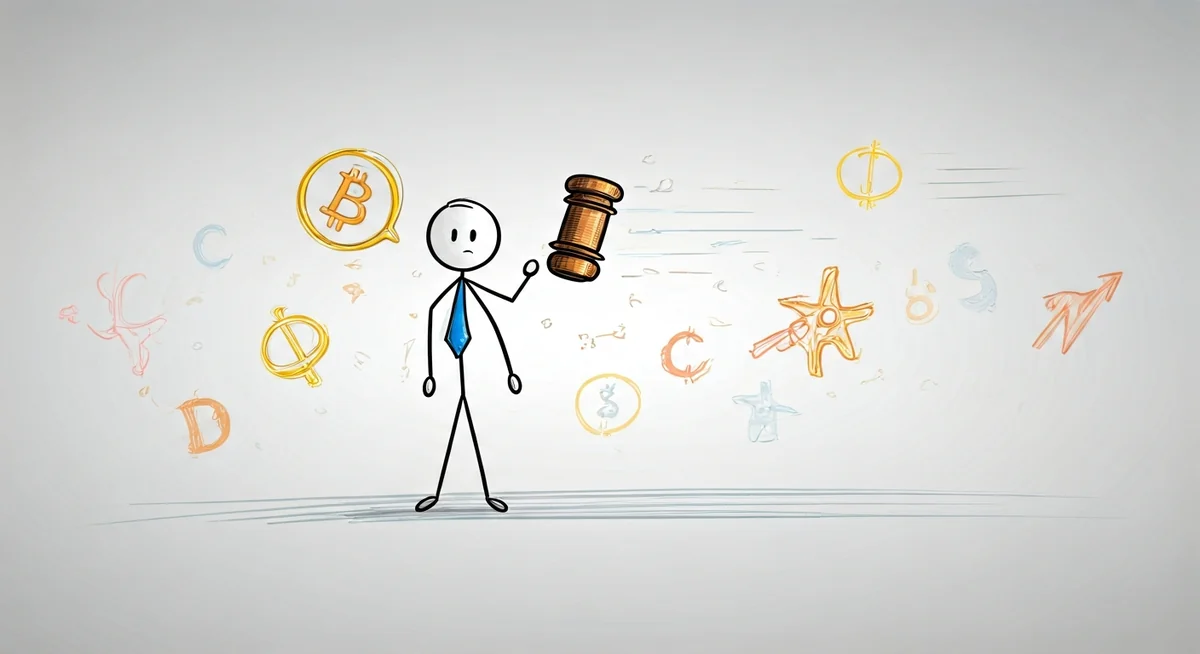
- Traditional Finance (TradFi) Giants: Platforms like Robinhood and Fidelity are leveraging their massive user bases to offer simple Bitcoin and Ethereum trading. The launch of spot Bitcoin ETFs has also siphoned off billions in institutional and retail capital that might have otherwise flowed through Coinbase.
- Global Crypto Exchanges: Competitors like Binance and Kraken continue to innovate rapidly, often offering more advanced trading features and a wider array of assets that appeal to power users.
- Specialized Platforms: A new wave of exchanges is emerging that focuses on specific niches, such as derivatives, memecoins, or Real-World Assets (RWAs), fragmenting the market and chipping away at Coinbase's "all-in-one" appeal.
This intense competition puts constant downward pressure on fees—Coinbase's primary source of revenue. As trading fees trend toward zero across the industry, Coinbase's profitability will depend on its ability to build a sustainable business beyond simple transactions.
Practical Takeaway: How to De-Risk Your Coinbase Exposure
The convergence of these three threats—regulatory, technological, and competitive—presents a clear risk to anyone holding significant assets on the platform.
- Diversify Your Exchanges: Don't rely on a single platform. Open accounts on other reputable exchanges (e.g., Kraken, Gemini) to ensure you have access to liquidity and off-ramps if one platform faces issues.
- Embrace Self-Custody: The ultimate insurance policy is holding your own keys. Invest in a hardware wallet like a Ledger or Trezor and move your long-term holdings off exchanges.
- Explore Layer 2 and DeFi: Start experimenting with small amounts on Layer 2 networks like Arbitrum, Optimism, or Coinbase's own Base. Learning to use a DEX is a crucial skill for the future of crypto.
📖 Related: Trump-Linked Crypto Firm Burns $15 Billion in Failed Token: Key Risks for Investors to Review
Coinbase's Counter-Attack: Can It Adapt to Survive?
Coinbase isn't standing still. The company is making strategic moves to defend its position, focusing on three key areas:

- Institutional Services: By becoming the custodian for the majority of the new spot Bitcoin ETFs, Coinbase has secured a vital revenue stream from institutional clients. This is currently its strongest defense.
- Layer 2 Expansion: The launch of its Layer 2 network, Base, is a direct attempt to embrace the decentralized future. Its success will depend on its ability to attract developers and build a vibrant ecosystem that can compete with established players.
- Global Push: With the U.S. market becoming increasingly hostile, Coinbase is aggressively expanding into more crypto-friendly jurisdictions in Europe, Asia, and South America.
The prediction of Coinbase becoming irrelevant by 2026 is a warning, not a certainty. However, the path forward is fraught with challenges. Its future will be determined by its ability to win its regulatory battles, successfully pivot to a more decentralized world, and find new revenue streams that don't rely on retail trading fees.
📖 Related: Kraken Launches Bitcoin Vault Promising 25% Annual Yield: A New Benchmark for the 2026 Market?
Conclusion: Your Next Move in a Post-Coinbase World
The era of Coinbase's unchallenged dominance is over. The combination of a hostile SEC, the unstoppable rise of DeFi, and a hyper-competitive market has created a perfect storm that threatens to erode its market leadership by 2026.

For investors and users, this isn't a signal to panic, but a call to action. The crypto landscape is evolving, and relying on a single, centralized entity is a strategy of the past.
Your next move is to prepare for a multi-chain, multi-platform future. Start by taking control of your assets with a hardware wallet, diversify your trading across different venues, and educate yourself on the tools of decentralized finance. The future of crypto is about resilience and adaptation—and your portfolio strategy should be, too.
🔔 Need Real-Time Coin Alerts?
CoinPing monitors 11 exchanges 24/7 and instantly notifies you of pumps, dumps, and new listings via Telegram.
Start for Free →Frequently Asked Questions
💰 Crypto Price Calculator
⚠️ Investment Disclaimer: This article is for informational purposes only and does not constitute financial advice. Cryptocurrency investments involve significant risk of loss. Never invest more than you can afford to lose. Read our full disclaimer →
🤖 AI Disclosure: This content was created with AI assistance (Google Gemini 2.5 Flash) and reviewed by our editorial team. Learn about our editorial process →