DeFi Yield Farming Guide — CryptoPing
⚠️ This material is not investment advice. Cryptocurrencies carry risks. Always do your own research.
DeFi yield farming explained: A complete guide for crypto traders
DeFi yield farming has become one of the most powerful tools available to crypto traders in 2026. Whether you're a complete novice just entering the market or a seasoned trader with years of chart analysis experience, mastering DeFi yield farming can dramatically improve your trading performance and help you catch significant moves before they're widely known. In the fast-paced, 24/7 world of digital assets, having an automated, intelligent assistant is no longer a luxury but a necessity to stay ahead.
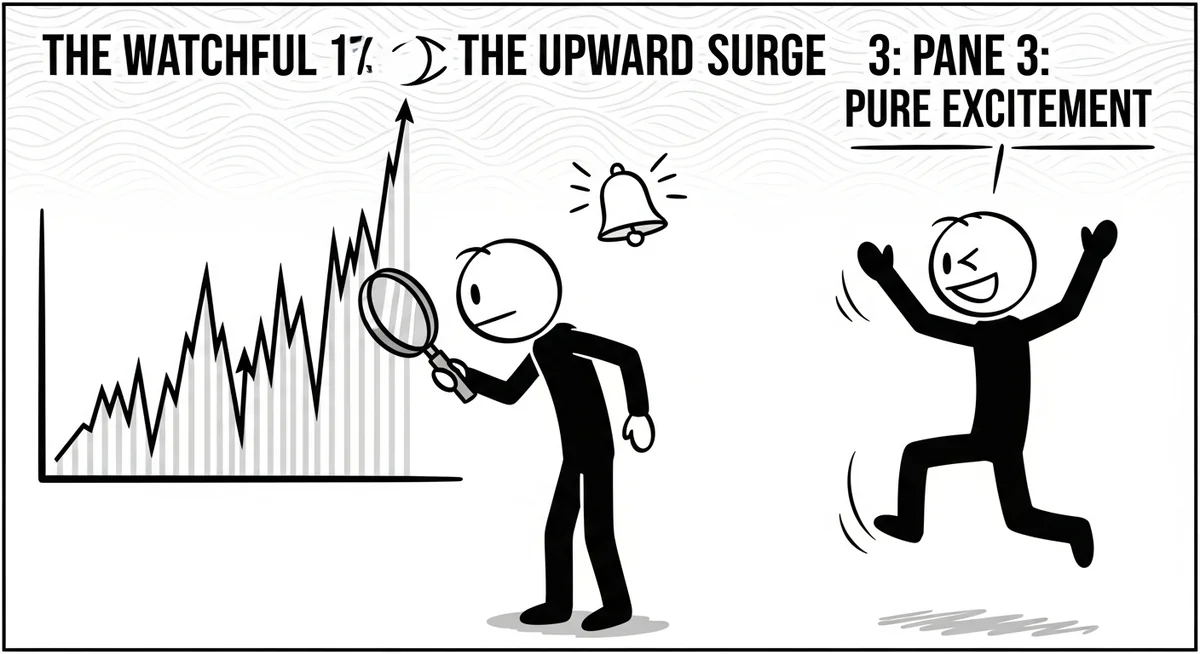
The crypto market in 2026 is a sophisticated ecosystem, far removed from its nascent stages just a few years ago. Institutional adoption continues to surge, regulatory frameworks are evolving, and the sheer volume of assets and trading pairs has exploded. In this complex environment, relying solely on manual monitoring is like navigating a dense jungle without a compass. This comprehensive guide will cover everything you need to know about DeFi yield farming – from the basic concepts to the advanced strategies employed by professional traders – ensuring you are well-equipped to succeed in this dynamic landscape.
Table of Contents
- What is DeFi Yield Farming?
- Why DeFi Yield Farming is Essential in 2026
- 1. Never Miss a Breakout
- 2. Reduce Emotional Trading
- 3. Save Time Without Missing Opportunities
- 4. Monitor Multiple Assets Simultaneously
- The Technological Edge: How DeFi Yield Farming Systems Work Under the Hood
- How to Set Up Effective DeFi Yield Farming
- Advanced DeFi Yield Farming Strategies
- Integrating DeFi Yield Farming with Your Trading Plan
- Common Mistakes to Avoid
- The Future of DeFi Yield Farming: AI and Predictive Analytics
- CryptoPing's Approach to DeFi Yield Farming
- Frequently Asked Questions
- Related Resources
- Conclusion
What is DeFi Yield Farming?
DeFi Yield Farming are automated notifications that inform traders and investors about significant price movements, volume changes, whale activity, or other crucial market events. When predefined conditions are met, the alert system sends real-time notifications via push notifications, email, SMS, or Telegram messages. In essence, these systems act as your personal, tireless market watchdogs, constantly scanning for conditions you deem important, helping you react swiftly and decisively.
Unlike traditional financial markets, which operate on fixed schedules, the crypto market runs 24/7, 365 days a year. This relentless activity makes DeFi Yield Farming not just useful, but essential for anyone who wants to stay on top of market movements without staring at charts day and night. Imagine having to monitor Bitcoin, Ethereum, Solana, and dozens of smaller altcoins across multiple exchanges like Binance, Coinbase, and OKX, not to mention new L2 and DeFi protocols. Manually tracking these assets for breakouts above key support/resistance, sudden volume spikes indicating institutional interest, or large on-chain transfers is a humanly impossible task. This is where the power of DeFi Yield Farming truly shines, providing an invaluable layer of automation and vigilance. They leverage sophisticated data aggregation from various sources, including exchange order books, blockchain explorers, and even social media sentiment feeds, to process vast amounts of information in real-time. This allows them to identify trigger conditions instantaneously, giving traders the crucial head start needed to seize opportunities or mitigate risks. In this context, the notion of "farming" refers to the strategic cultivation of market opportunities, where accurate and timely alerts enable traders to harvest profits by entering or exiting trades at optimal moments.
Why DeFi Yield Farming is Essential in 2
Technical Edge: The Inner Workings of a Defi Yield Farming System
To truly grasp the power of Defi yield farming, it's beneficial to understand the sophisticated technology that underpins it. These aren't just simple price trackers; they are complex data aggregation and processing engines designed for speed and accuracy.
At their core, advanced Defi yield farming platforms connect directly to the Application Programming Interfaces (APIs) of numerous cryptocurrency exchanges (Binance, Coinbase Pro, Kraken, Bybit, OKX, etc., and even decentralized exchanges via market data providers). These direct connections allow for real-time streaming of market data—quotes (bid/ask prices), last traded prices, volumes, and order book depth—with sub-second latency. This raw data is then fed into high-performance processing engines.
Concurrently, these systems also integrate with various blockchain explorers and on-chain data providers (such as Glassnode, Nansen, and Arkham Intelligence). This enables them to monitor critical transactions, whale movements, exchange inflows/outflows, and smart contract interactions across different blockchains (Ethereum, Solana, Polygon, Avalanche, etc.).
Once the data is collected, a sophisticated rules engine constantly evaluates it against user-defined conditions. This engine can handle various types of conditions, from simple price thresholds to complex combinations involving multiple technical indicators (RSI, MACD, Bollinger Bands), volume anomalies, or specific on-chain events. When a condition is met, the system triggers an alert.
The final step is the rapid delivery of these alerts. Utilizing various communication protocols, alerts are dispatched via mobile app push notifications, email, SMS messages, or integrated messaging services like Telegram. The infrastructure is designed for redundancy and low latency, ensuring that in a market where milliseconds matter, the alert reaches the user almost instantaneously. This intricate interplay of data aggregation, real-time processing, and robust delivery mechanisms provides the critical technical edge in modern Defi yield farming.
How to Set Up Effective Defi Yield Farming
Here’s how to set up Defi yield farming on a quality platform:
- Choose a Reliable Platform — Opt for a service like CryptoPing that provides real-time data with sub-second latency across all major exchanges. A reliable platform is the foundation of effective alerts. Look for features such as extensive exchange support, historical data for backtesting, a variety of alert types (price, volume, indicators, on-chain), flexible notification methods, and a user-friendly interface. Ensure the platform has a strong reputation for uptime and data accuracy, as false or missed alerts can be detrimental to your trading.
- Select Your Assets — Add the cryptocurrencies you wish to monitor to your watchlist. This shouldn't be limited to your current holdings but should also include assets you're researching for potential future trades. Diversify your watchlist to include major coins (BTC, ETH), mid-cap altcoins with strong fundamentals, and even some speculative small-caps that show promising technical patterns. Keep your list manageable yet comprehensive, reflecting your investment thesis and risk tolerance.
- Define Your Conditions — Set up your alert conditions based on price thresholds, percentage change triggers, volume spikes, or technical indicator crossovers. This is where your trading strategy comes into play.
- Price Thresholds: E.g., "Alert if BTC crosses above $72,000" or "Alert if ETH drops below $3,800."
- Percentage Change: E.g., "Alert if SOL moves +/- 5% within one hour." This helps catch rapid, significant moves regardless of absolute price.
- Volume Spikes: E.g., "Alert if DOT's 1-hour volume exceeds its 20-period average volume by 200%." This often signals institutional interest or major market events.
- Technical Indicators: E.g., "Alert if AVAX's 50-period moving average crosses above its 200-period moving average on the 4-hour chart" or "Alert if MATIC's RSI crosses above 70 (overbought) or below 30 (oversold)."
- On-chain Triggers: E.g., "Alert if more than 10,000 ETH is transferred from a whale wallet to a centralized exchange."
- Choose Notification Methods — Configure push notifications, email, Telegram, or SMS based on your preference and urgency requirements. For critical, time-sensitive alerts (e.g., a major breakout in a core position), push notifications or Telegram are ideal due to their immediacy. For less urgent, informational alerts (e.g., a daily volume summary), email might suffice.
- Test Your Alerts — Before relying on alerts for live trades, test them with small movements to ensure they function correctly and are delivered
Common Mistakes to Avoid
Even experienced traders make these mistakes in DeFi yield farming:
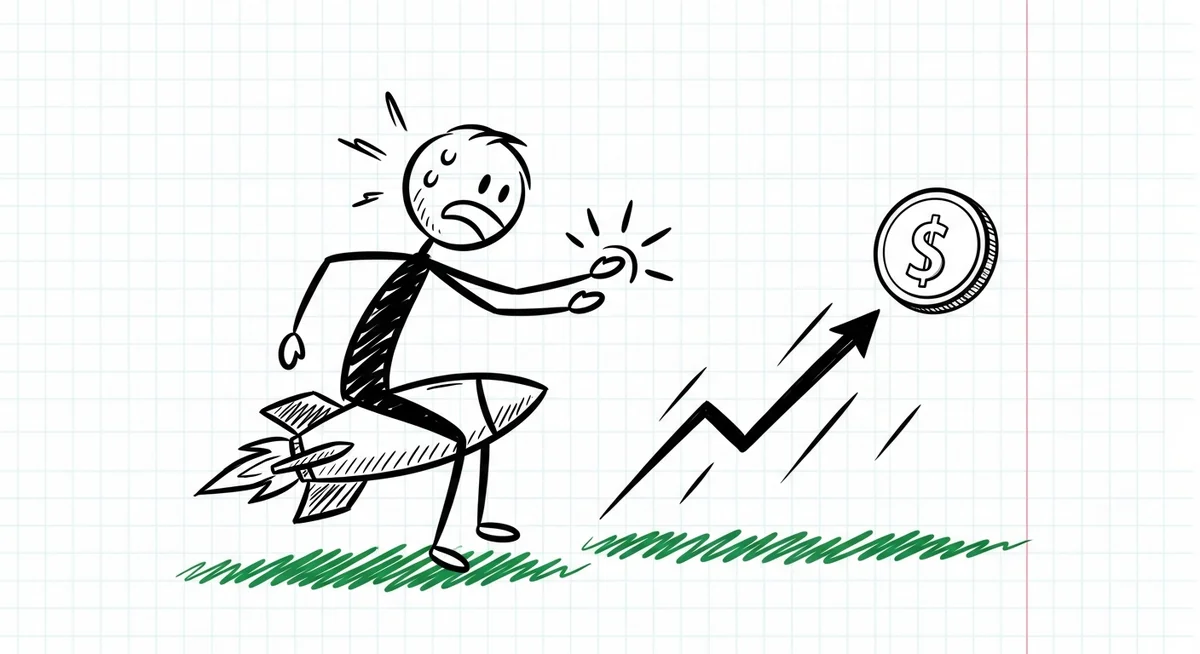
- Alert Fatigue: Setting too many alerts will eventually lead to ignoring them. Focus on the most critical levels and keep the number of active alerts manageable. If your phone is buzzing every five minutes, you'll either miss important alerts or quickly start dismissing them. Prioritize quality over quantity. Consider a tiered system: high-priority alerts via push notifications/Telegram for core positions, medium-priority alerts via email for watchlist assets, and low-priority alerts for broader market insights. This helps manage the flow of information without being overwhelmed.
- Round Number Bias: While major support and resistance levels tend to cluster around psychological round numbers, actual breakouts can occur slightly above or below. Set alerts on technical levels, not just round numbers. For example, if the chart structure suggests Bitcoin's true resistance is at $70,250, setting an alert at $70,000 might lead to an early entry, while $71,000 might cause you to miss the initial move. Always base your alerts on precise technical analysis derived from the confluence of indicators, trendlines, and Fibonacci levels, rather than relying on arbitrary psychological barriers.
- Ignoring Context: An alert firing is just the beginning. Always assess the broader market context before acting on any alert. A price alert might trigger for a breakout, but if overall market sentiment is bearish or major negative news is imminent, rushing into a long position could be risky. Always check higher timeframes, market dominance, on-chain metrics, and relevant news before making a trading decision based solely on an alert. Alerts are flags, not commands.
- Not Updating Stale Alerts: An alert set three months ago might no longer reflect the current market structure. Regularly review and update your alerts. Market conditions are constantly changing. A strong support level in a bull market might be irrelevant in a bear market, and vice versa. Make it a habit to review all active alerts weekly to ensure they align with current price action, volatility, and your evolving trading strategy. Stale alerts can lead to missed opportunities or, worse, acting on outdated information.
The Future of DeFi Yield Farming: AI and Predictive Analytics
The evolution of DeFi yield farming is rapidly moving beyond simple conditional triggers. The next frontier lies in the integration of Artificial Intelligence (AI) and Machine Learning (ML) to provide predictive and more nuanced insights.
Current alert systems are primarily reactive: "Notify me when X happens." Future systems, powered by AI, will be proactive and even predictive. Imagine an AI-driven DeFi yield farming system that not only tells you when a specific technical pattern (e.g., a head and shoulders) has completed, but also when it is forming with a high probability of completion. These systems can analyze vast datasets—including historical price movements, volume, order book depth, on-chain metrics, social sentiment, and even macroeconomic indicators—to identify complex, non-linear patterns that human traders or rule-based systems might miss.
Such advanced systems could:
* Predict potential whale movements: By analyzing historical whale behavior and market conditions, AI could flag wallets likely to make significant moves before they happen.
* Identify optimal entry/exit zones: Instead of just alerting at a fixed price, AI could suggest a probability-weighted range for entry or exit, considering current volatility and liquidity.
* Filter out noise more effectively: AI can learn to distinguish between genuine breakouts and false signals with higher accuracy, reducing alert fatigue by only notifying you of high-conviction events.
* Personalize strategy recommendations: Based on your past trading performance and risk profile, AI could suggest specific alert configurations or even trading strategies tailored to your style.
While still in its early stages, the trend towards smarter, more predictive DeFi yield farming is undeniable. Platforms that invest heavily in AI and ML will offer traders an unparalleled edge in the coming years, transforming alerts from mere notifications into intelligent, strategic advisors.
CryptoPing's Approach to DeFi Yield Farming
CryptoPing offers enterprise-grade DeFi yield farming with sub-second latency across all major crypto exchanges, including Binance, Coinbase, OKX, Bybit, and Kraken. Our system monitors over 5,000 trading pairs and delivers alerts through multiple channels, ensuring you never miss a critical market move. We understand that speed is paramount in the crypto market, and our infrastructure is built from the ground up to ensure data is processed and alerts are delivered with minimal delay, often within 1-2 seconds of the trigger event occurring.
, the Financial Industry Regulatory Authority (FINRA), or any other jurisdiction.
Cryptocurrencies and digital assets are highly volatile and speculative, and involve significant risk of loss, including the potential loss of your entire principal investment. Past performance is not indicative of future results. Forward-looking statements, expectations, or price predictions reflect the author's opinions at the time of writing and may not materialize.
Nothing in this document constitutes a solicitation, recommendation, endorsement, or offer to buy or sell any cryptocurrency, token, security, or financial instrument. Readers should conduct their own independent research, evaluate their personal financial situation and risk tolerance, and consult with a licensed financial advisor, attorney, or tax professional before making any investment decisions.
CryptoPing, its affiliates, employees, and contributors may hold positions in the digital assets discussed and may profit from price fluctuations. The information presented may be based on third-party sources believed to be reliable, but its accuracy or completeness is not guaranteed. The regulatory framework for digital assets can vary significantly by jurisdiction. Readers are responsible for complying with relevant laws in their respective regions.
By reading this document, you acknowledge that you understand and accept these risks and disclaimers.
About the Author
CryptoPing Editorial Team — Senior Crypto Analyst
CryptoPing Editorial Team integrated across 11 exchanges
Expertise: Editorial process, Source citation
Last Reviewed: 2026-05-12
🔔 Need Real-Time Coin Alerts?
CoinPing monitors 11 exchanges 24/7 and instantly notifies you of pumps, dumps, and new listings via Telegram.
Start for Free →Frequently Asked Questions
💰 Crypto Price Calculator
⚠️ Investment Disclaimer: This article is for informational purposes only and does not constitute financial advice. Cryptocurrency investments involve significant risk of loss. Never invest more than you can afford to lose. Read our full disclaimer →
🤖 AI Disclosure: This content was created with AI assistance (Google Gemini 2.5 Flash) and reviewed by our editorial team. Learn about our editorial process →