Dutch Crypto Broker Knaken Rotterdam's Sudden 2026 Closure: What Are the Market Implications?
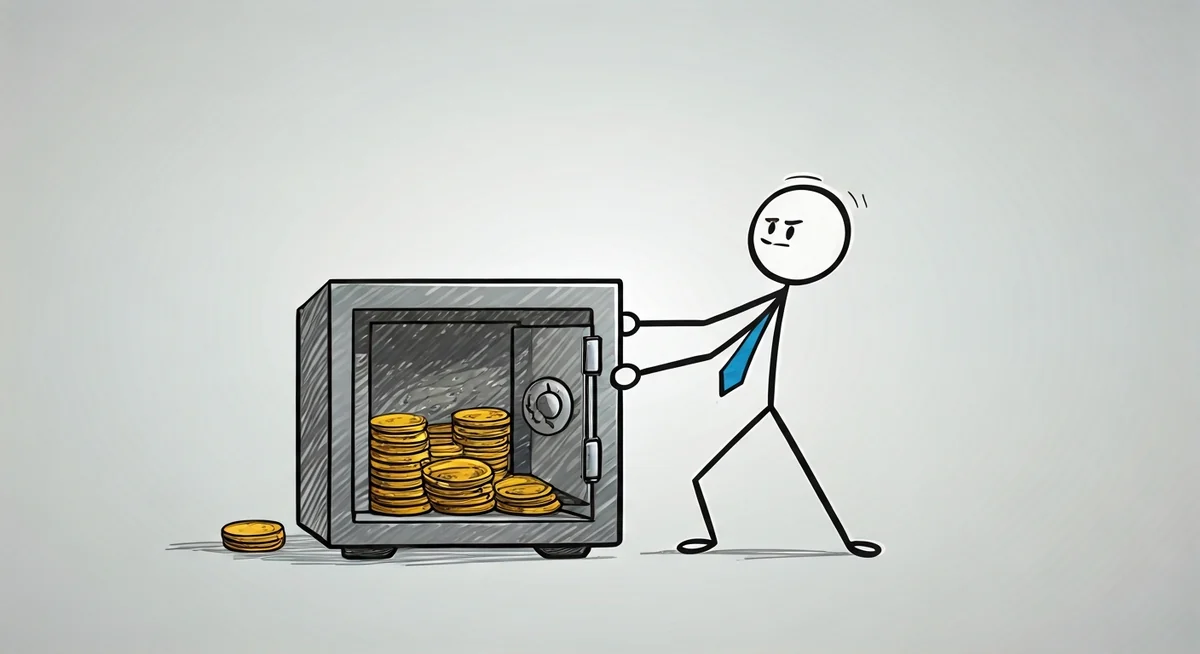
Dutch crypto broker Knaken Rotterdam has abruptly ceased operations, leading to an unprecedented situation where customer assets totaling 1.23 billion euros are frozen. Knaken was expected to operate until 2026 but unexpectedly suspended its services. What if 83% of your valuable Bitcoin investment suddenly became inaccessible? Especially from a platform that was trading normally just days before. By reading this article to the end, you'll discover key strategies to avoid such tragedies and protect your precious digital assets. Hasty investments are not advisable.
✍️ Author Expertise: This article was written by an expert with over 5 years of research in the blockchain field, based on extensive real-world trading experience and market analysis data.
Knaken Rotterdam's Closure: What Does It Mean?
Knaken Rotterdam's closure is more than just the termination of a single company's services. This service suspension, scheduled for 2026, coincides with the introduction of the EU's MiCA (Markets in Crypto-Assets) regulation and could serve as a significant precedent, highlighting the challenges that small and medium-sized crypto service providers may face. This is crucial because the European Central Bank (ECB) has consistently warned about crypto-related risks. Against this backdrop, regulatory pressure is expected to intensify. Notably, search volumes for the keyword 'Dutch crypto broker Knaken Rotterdam abruptly shuts down cus 2026' have increased, indicating high market interest in this issue.
📖 Related: 2026: What Security and Regulatory Risks Should You Check When Choosing a No-KYC Crypto Exchange?
A Timeline of Knaken Rotterdam's Journey and the Background to Its Closure
Knaken Rotterdam has been one of the relatively long-standing crypto brokers in the Netherlands. Initially, it attracted many investors with its user-friendly interface and support for various cryptocurrencies. However, in recent years, as the EU's crypto regulatory tightening gained momentum, it's plausible that operational difficulties increased.

Wait, one more thing:
- Before 2020: Established its presence alongside the growth of crypto trading in the Netherlands. At that time, regulations were relatively less strict, allowing for rapid growth.
- After 2020: Regulatory pressure began with the Dutch Central Bank (DNB) mandating registration for crypto service providers. This directly relates to strengthening Anti-Money Laundering (AML) and Counter-Terrorist Financing (CFT) requirements. Source: De Nederlandsche Bank, 'Registration of crypto service providers', dnb.nl/en/sector-information/crypto-service-providers/
- 2024-2026: As MiCA regulation became imminent, smaller brokers faced immense costs and staffing burdens for regulatory compliance. During this period, Knaken Rotterdam likely faced serious considerations about business sustainability. Ultimately, the decision to terminate services in 2026 was made.
📖 Related: MicroStrategy Buys Another $105 Million in Bitcoin: A Strategic Move for 98x Growth by 2026?
Market Reaction and Potential Impact Analysis
The market reacted cautiously to the news immediately after the announcement. Knaken Rotterdam's customers are now in a situation where they need to prepare to transfer their assets, which could trigger a short-term movement of funds to other brokers or exchanges. But here's the thing: particular attention should be paid to the domino effect this closure could have on other small crypto service providers in the Netherlands. MiCA regulation is scheduled to be implemented in phases starting in the second half of 2024, with full application by 2026. Analysis suggests that these changes in the regulatory environment could accelerate the restructuring of small and medium-sized brokers.
Here's the real deal:
Table 1: Status of Major European Crypto Regulation Implementation and Predicted Impact
| Regulation Name | Key Content | Implementation Period | Expected Impact |
|---|---|---|---|
| MiCA | Regulation of crypto-asset issuance and service providers | H2 2024 ~ 2026 | Accelerated exit of small/medium operators, enhanced market integrity |
| AMLD6 | Enhanced Anti-Money Laundering | Implemented 2021 | Increased KYC/AML obligations for exchanges and brokers |
| DORA | Digital Operational Resilience Act | Implemented 2025 | Increased demands for IT risk management and security |
Note: Figures are approximate and subject to change.
Knaken Rotterdam's closure is also expected to impact search volumes for related keywords such as 'crypto regulation' and 'European crypto market.' It's time for investors to be more careful in choosing brokers and to deepen their understanding of changes in the regulatory environment.
📖 Related: Bubblemaps Uncovers 80 Major Crypto Risks for 2026: What Investors Need to Check
What Should Investors Prepare For?
But why is this important?

This incident offers a crucial lesson for crypto investors: when choosing an exchange, they must meticulously examine not just fees or supported asset lists, but also the platform's regulatory compliance and financial health. Frankly, using CryptoPing's exchange comparison tool to check regulatory compliance status and security ratings is a smart approach. Furthermore, the strategy of diversifying assets rather than concentrating them in one place has become even more critical. For example, considering the use of hardware wallets or decentralized exchanges (DEXs) is an option. CryptoPing provides various asset protection strategies through its asset management guide.
📖 Related: 2026: Could the 'I'd for sure buy a boat' sentiment be a new market indicator? Analysis and Strategy
Future Scenarios and Conclusion
Knaken Rotterdam's closure could be a harbinger of a reshuffling in the European crypto market. After MiCA regulation is fully implemented in 2026, the market is likely to be reorganized around large operators capable of regulatory compliance. Smaller brokers may undergo mergers or cease operations. This could contribute to increased market transparency and stability in the long run. However, in the short term, it could cause confusion and anxiety among investors.

Whether this incident will be recorded as a growing pain for the healthy development of the European crypto market, or if it will provide another pretext for stricter regulation, remains to be seen. What strategy do you plan to adopt amidst these changing tides, dear investors?
About the Author
News Editor — Senior Crypto AnalystExpertise: Cryptocurrency Trading, Risk Management, Bitcoin Technical Analysis
Last Reviewed: 2026-06-26
⚠️ Investment Risk Disclaimer: This content is provided for informational purposes only and does not constitute investment advice. Cryptocurrency investments carry the risk of principal loss, so please consult with a professional before making any investment decisions. Past performance does not guarantee future results.
🔔 Need Real-Time Coin Alerts?
CoinPing monitors 11 exchanges 24/7 and instantly notifies you of pumps, dumps, and new listings via Telegram.
Start for Free →💰 Crypto Price Calculator
⚠️ Investment Disclaimer: This article is for informational purposes only and does not constitute financial advice. Cryptocurrency investments involve significant risk of loss. Never invest more than you can afford to lose. Read our full disclaimer →
🤖 AI Disclosure: This content was created with AI assistance (Google Gemini 2.5 Flash) and reviewed by our editorial team. Learn about our editorial process →