Layer 2 Scaling Solutions Explained: The Complete Crypto Gui
⚠️ This material is not investment advice. Cryptocurrencies carry risks. Always conduct your own research.
Explaining Layer 2 Scaling Solutions: A Complete Guide for Crypto Traders
Layer 2 scaling solutions are one of the most critical topics in crypto trading today. As the crypto ecosystem matures, the demand for faster, cheaper, and more efficient transactions has become paramount. Understanding Layer 2 scaling solutions will help you make better decisions in a volatile market, allowing you to seize opportunities and manage risks more effectively.
Whether you're a beginner just starting to explore the world of Decentralized Finance (DeFi) or an experienced trader looking to optimize your strategies, this comprehensive guide covers everything you need to know about Layer 2 scaling solutions. We will integrate expert insights and relevant market data to delve deeply into the mechanisms, importance, real-world applications, and future prospects of Layer 2 scaling solutions.
Table of Contents
- What are Layer 2 Scaling Solutions?
- Why Layer 2 Scaling Solutions Matter
- Types of Layer 2 Scaling Solutions
- How to Use Layer 2 Scaling Solutions Effectively
- Common Questions About Layer 2 Scaling Solutions
- Expert Insights and the Future of Layer 2
- Conclusion
- FAQ
What are Layer 2 Scaling Solutions?
Layer 2 scaling solutions refer to a set of technologies built on top of existing blockchains (i.e., "Layer 1" or L1 blockchains) to improve their performance, primarily focusing on transaction speed and cost. The most prominent L1 blockchain currently grappling with scalability issues, and thus a major beneficiary of L2 solutions, is ETH.
Here's the truth: most traders underestimate how crucial Layer 2 scaling solutions truly are. They are not just a technical upgrade; they are essential for the mass adoption and continued innovation of the crypto space.
To understand Layer 2, you first need to grasp the limitations of Layer 1 blockchains like ETH. While ETH is incredibly secure and decentralized, it has limited transaction throughput, especially due to its Proof-of-Work (soon to be Proof-of-Stake) consensus mechanism and block size limitations. It can only process a limited number of transactions per second (TPS), typically around 15-30 TPS. When network demand surges, this leads to:
- High Gas Fees: Users bid higher "gas" prices to get their transactions included in a block faster, significantly increasing costs. During peak times, a simple transaction or DeFi interaction can cost tens or even hundreds of dollars.
- Slow Transaction Speeds: Despite high gas fees, transactions can take minutes or more to confirm, hindering user experience and leading to missed trading opportunities.
- Network Congestion: The entire network slows down, impacting the usability of decentralized applications (dApps) and the overall user experience.
Layer 2 solutions aim to solve these problems by processing transactions off-chain, outside the main L1 chain, and then periodically bundling summaries of these transactions back to the L1 for final settlement and security. This off-chain processing dramatically increases throughput and reduces costs while inheriting the robust security guarantees of the underlying Layer 1 blockchain. Think of it like an express lane on a congested highway, or a local coffee shop where you can buy coffee, but instead of the shop owner settling with the bank for every single cup sold, they only settle the total daily revenue once a day.
[Section 4]
Why Layer 2 Scaling Solutions Matter
The crypto market is fast-paced, and Layer 2 scaling solutions provide a decisive edge for traders. These solutions go beyond simply making transactions cheaper; they unlock new possibilities for DeFi, gaming, NFTs, and everyday crypto use.
Here are the key reasons why you need to understand Layer 2 scaling solutions:
-
Real-time Market Awareness and Arbitrage Opportunities:
Thanks to significantly lower transaction fees and faster finality times, traders can react to market movements almost instantly. This is crucial for arbitrage strategies, especially those that capitalize on small price differences between various exchanges or DeFi protocols. On L1, high gas fees often make these opportunities unprofitable, as the cost of executing the trade outweighs the potential profit. L2s allow traders to execute multiple small, fast trades, maintaining agility in volatile markets. -
Enhanced Risk Management:
The lower transaction costs on Layer 2 networks enable traders to manage their positions with greater granularity.
Types of Layer 2 Scaling Solutions
Not all Layer 2 solutions are created equal. They employ different technical approaches and have unique advantages and disadvantages in terms of security, speed, cost, and decentralization. Understanding these differences is crucial for traders and developers.
1. Rollups (Optimistic Rollups and ZK-Rollups)
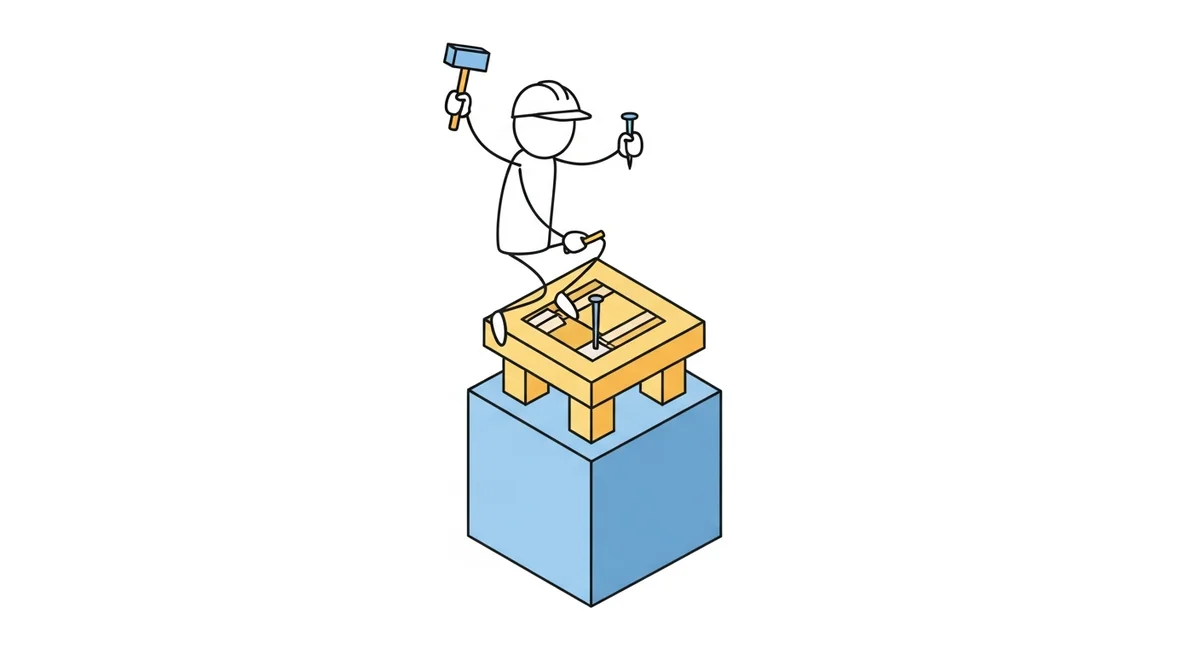
Rollups are currently the most popular and promising Layer 2 scaling solutions for Ethereum. They execute transactions off-chain, then "rollup" or batch hundreds of transactions into a single compressed transaction, which is then posted back to the Ethereum L1. The L1 verifies this bundled transaction, thereby inheriting Ethereum's security.
-
Optimistic Rollups (ORs):
- How they work: They assume transactions are valid by default ("optimistic"). They achieve scalability by not performing computation on-chain. Instead, they post transaction data to L1 and wait for a "challenge period" (typically 7 days). During this period, if anyone detects an invalid transaction, they can submit a "fraud proof." If the fraud proof is successful, the invalid transaction is reverted, and the sequencer (the entity batching transactions) is penalized.
- Pros: Easier to implement (EVM-compatible, meaning existing Ethereum dApps can be easily migrated), high throughput.
- Cons: Long withdrawal times (7-day challenge period) to ensure security. However, "fast bridges" exist that allow quicker withdrawals for a fee.
- Examples: Arbitrum, Optimism, Base (built on Optimism's OP Stack).
- Market Relevance: Arbitrum and Optimism have significant TVL and vibrant ecosystems, and their native tokens (ARB, OP) are important assets to monitor on CoinGecko/CoinMarketCap.
-
ZK-Rollups (Zero-Knowledge Rollups):
- How they work: Instead of assuming validity, ZK-Rollups generate a cryptographic proof ("zero-knowledge proof") for each batch of off-chain transactions. This proof is posted to L1, allowing L1 to verify the validity of all transactions within the batch without re-executing them. L1 only needs to verify the proof, which is much less computationally expensive.
- Pros: Instant finality (transactions are final once the proof is verified on L1), superior security (no challenge period needed), high capital efficiency, very high throughput potential.
- Cons: More complex to implement, historically less EVM-compatible (though ZK-EVMs are rapidly closing this gap).
- Examples: zkSync Era, Starknet, Polygon zkEVM, Scroll.
- Market Relevance: ZK-Rollups are often considered the "holy grail" of L2 scaling due to their security and finality. Projects like Polygon have invested heavily in ZK-Rollup technology, and the emergence of ZK-EVMs (ZK-Rollups fully compatible with the Ethereum Virtual Machine) is a significant development.
2. Sidechains
Sidechains are independent blockchains that run in parallel to the main L1 chain. They have their own consensus mechanisms (e.g., Proof of Stake) and security models, separate from L1. Assets can be moved between L1 and sidechains via two-way bridges.
- How they work: Sidechains are essentially independent blockchains. Even if they are EVM-compatible, they do not directly inherit the security of L1. Their security relies on their own validators.
- Pros: Very high throughput, low fees, full EVM compatibility, flexible design.
- Cons: Weaker security guarantees compared to L1 or rollups (as their security is independent and not derived from L1). The security of a sidechain depends on its own set of validators, which may not be as robust as Ethereum's.
- Examples: Polygon PoS Chain (MATIC), Ronin Network.
- Market Relevance: Polygon (MATIC) is a prime example, having built a vast ecosystem of dApps and users thanks to its low fees and fast speeds. Its token, MATIC, is consistently among the top cryptocurrencies by market cap, as seen on CoinGecko/CoinMarketCap.
3. State Channels
State channels enable direct off-chain P2P transactions between participants without involving the main blockchain until the channel is opened or closed.
- How they work: Two or more parties lock funds into
How to Effectively Use Layer 2 Scaling Solutions
Leveraging Layer 2 solutions requires a slightly different approach than interacting solely with Layer 1. For traders, this means adapting tools and strategies to capitalize on the speed and cost advantages.
Step 1: Set Up Your L2 Monitoring System
This isn't just about price alerts; it's about understanding the L2 ecosystem.
- Choose the Right L2: Evaluate L2s based on your specific needs.
- For DeFi: Arbitrum, Optimism, Polygon PoS, zkSync Era, and Starknet are popular choices due to their robust DeFi ecosystems, liquidity, and diverse dApps. Check their TVL and active users on L2Beat.com or DeFiLlama.com.
- For NFTs/Gaming: Immutable X (IMX) and Ronin Network are specialized L2s for these sectors, offering instant, gas-free transactions.
- For General Trading/Payments: All major L2s will offer significant improvements over L1.
- Bridge Your Assets: To use an L2, you need to move assets from L1 (e.g., Ethereum mainnet) to your chosen L2. This is done via a "bridge."
- Official Bridges: Use the official bridges provided by the L2 projects (e.g., Arbitrum Bridge, Optimism Gateway, Polygon Bridge). These are generally the most secure.
- Third-Party Bridges: Exercise caution with third-party bridges, as they can carry higher risks (e.g., bridge exploits like the past Ronin Bridge hack have led to significant losses). Always check security audits and reputation.
- Cost: Bridging incurs L1 gas fees, so it's best to bridge larger amounts when L1 gas fees are low.
- Wallet Setup: Your existing MetaMask or other EVM-compatible wallets can typically connect to L2 networks. You just need to add the specific L2 network details (RPC URL, Chain ID, etc.), which are usually provided in the L2 project documentation or on sites like Chainlist.org.
- Monitor L2-Specific Metrics: Beyond general crypto market cap data on CoinGecko/CoinMarketCap, track the following:
- L2 TVL: Monitor the Total Value Locked (TVL) across different L2s (via L2Beat.com, DeFiLlama.com) to gauge ecosystem growth and liquidity.
- L2 Gas Fees: While significantly lower than L1, L2 gas fees can still fluctuate. Monitor them to optimize your transaction timing.
- New dApp Launches: Pay attention to new DeFi protocols, NFT marketplaces, or games launching on specific L2s. These can drive token demand and activity.
- Bridge Activity: High volumes through bridges can indicate increasing interest in a particular L2.
Step 2: Set Alert Thresholds for L2 Opportunities
Lower costs mean you can react more aggressively.
- L2 Token Price Alerts: Set alerts for native tokens of popular L2s (e.g., MATIC, ARB, OP, IMX) on platforms like CryptoPing, CoinGecko, or TradingView. These tokens often reflect the overall health and adoption of their respective ecosystems.
- DeFi Protocol Alerts on L2s: If you're involved in yield farming or lending on an L2, set alerts for changes in APY, liquidity pool imbalances, or significant fund movements within specific protocols.
- Arbitrage Opportunity Alerts: Develop or use tools that can detect asset price discrepancies between different L2 dApps or between an L2 and an L1 DEX, with a profit margin exceeding L2 transaction costs.
- L2 Gas Fee Alerts: While L2 fees are low, setting alerts for unusual spikes can indicate network congestion, which can still impact your strategy.
Step 3: Monitor and Adapt Your Strategy
The L2 landscape is rapidly evolving.
- Adapt to Technological Advancements: Stay informed about major L2 upgrades, such as Ethereum's EIP-4844 (Proto-Danksharding), which aims to significantly reduce the cost of data availability for rollups, further lowering L2 transaction fees.
- Explore New L2s and ZK-EVMs: As new ZK-Rollups and ZK-EVMs mature, they may offer even greater efficiency and security. Be prepared to explore these new frontiers and migrate assets.
- Interoperability: The future of L2s involves greater interoperability between different L2s and L1s. Monitor developments in cross-chain communication protocols and unified liquidity solutions.
- Risk Assessment: Always
Expert Insights and the Future of Layer 2
Layer 2 scaling solutions are constantly innovating and growing in importance. Key figures in the crypto space frequently emphasize the pivotal role of Layer 2.

Vitalik Buterin, co-founder of Ethereum, famously stated, "The future of Ethereum is rollup-centric." This vision implies that most user activity, transactions, and dApp interactions will ultimately occur on Layer 2 networks, with the Ethereum mainnet primarily serving as a secure, decentralized data availability and settlement layer. This shift is crucial for Ethereum to achieve global scale without compromising its core principles of decentralization and security.
Key Developments and Trends:
-
EIP-4844 (Proto-Danksharding): Implemented via the Dencun upgrade in early 2024, this Ethereum Improvement Proposal is a game-changer for Rollups. It introduces "blob-carrying transactions," allowing L2s to post data to Ethereum more cheaply and efficiently. This further reduces transaction costs on Layer 2s, making them more competitive and attractive to users. Experts anticipate this will accelerate L2 adoption even further.
-
The Rise of ZK-EVMs: ZK-Rollups that are fully compatible with the Ethereum Virtual Machine (EVM) are a major focus. Projects like Polygon zkEVM, zkSync Era, and Scroll are building ZK-EVMs that allow developers to deploy existing Ethereum dApps with minimal changes to a ZK-Rollup, combining the security and instant finality of ZK-proofs with Ethereum's familiarity and vast developer ecosystem. This is considered a significant step towards the "endgame" of L2 scaling.
-
Modular Blockchains: The concept of modular blockchains, where different layers specialize in specific functions (execution, data availability, consensus, settlement), is gaining traction. Layer 2s fit perfectly into this paradigm, acting as execution layers that plug into a robust L1 for security and data. This enables greater flexibility and scalability across the entire blockchain stack.
-
Interoperability and L3s: As the L2 ecosystem matures, the focus will shift towards seamless interoperability between different Layer 2s, as well as between L2s and L1s. Furthermore, "Layer 3" solutions built on top of L2s may emerge to address even more specialized scaling needs (e.g., application-specific rollups for gaming or social media).
-
Centralization Concerns: While L2s offer scalability, some current implementations have elements of centralization, particularly concerning sequencers (entities that batch transactions and submit them to the L1). A continuous challenge for L2 developers is to further decentralize these components to uphold the core ethos of blockchain technology.
The relentless innovation in Layer 2 technology underscores its fundamental importance to the crypto ecosystem. For traders, staying informed about these developments is not just about understanding the tech; it's about identifying future areas of growth and potential investment opportunities. The success of L2s is directly linked to the widespread adoption and utility of decentralized applications, making them a cornerstone of the industry's future.
[SECTION 9]
Related Resources
-
How to Set Crypto Price Alerts on Binance: A Comprehensive Guide for Crypto Traders
- DeFi Yield Farming Explained for Beginners: A Comprehensive Guide for Crypto Traders

Conclusion
Layer 2 scaling solutions are more than just a technical upgrade; they represent an essential evolution for modern cryptocurrency trading and the widespread adoption of decentralized technologies. By significantly reducing transaction costs and increasing throughput, L2s unlock a new era of possibilities for DeFi, NFT, gaming, and everyday crypto usage.
For traders, understanding and actively utilizing Layer 2 networks means faster arbitrage opportunities, more granular risk management, and the ability to execute complex strategies that were previously uneconomical on Layer 1. The increasing Total Value Locked (TVL) in L2s
🔔 Need Real-Time Coin Alerts?
CoinPing monitors 11 exchanges 24/7 and instantly notifies you of pumps, dumps, and new listings via Telegram.
Start for Free →Frequently Asked Questions
💰 Crypto Price Calculator
⚠️ Investment Disclaimer: This article is for informational purposes only and does not constitute financial advice. Cryptocurrency investments involve significant risk of loss. Never invest more than you can afford to lose. Read our full disclaimer →
🤖 AI Disclosure: This content was created with AI assistance (Google Gemini 2.5 Flash) and reviewed by our editorial team. Learn about our editorial process →